
When summer arrives and the weather gets hotter, especially in Saudi Arabia, choosing the right finishing materials for your home becomes crucial to ensure comfort and maintain the aesthetics of the space.
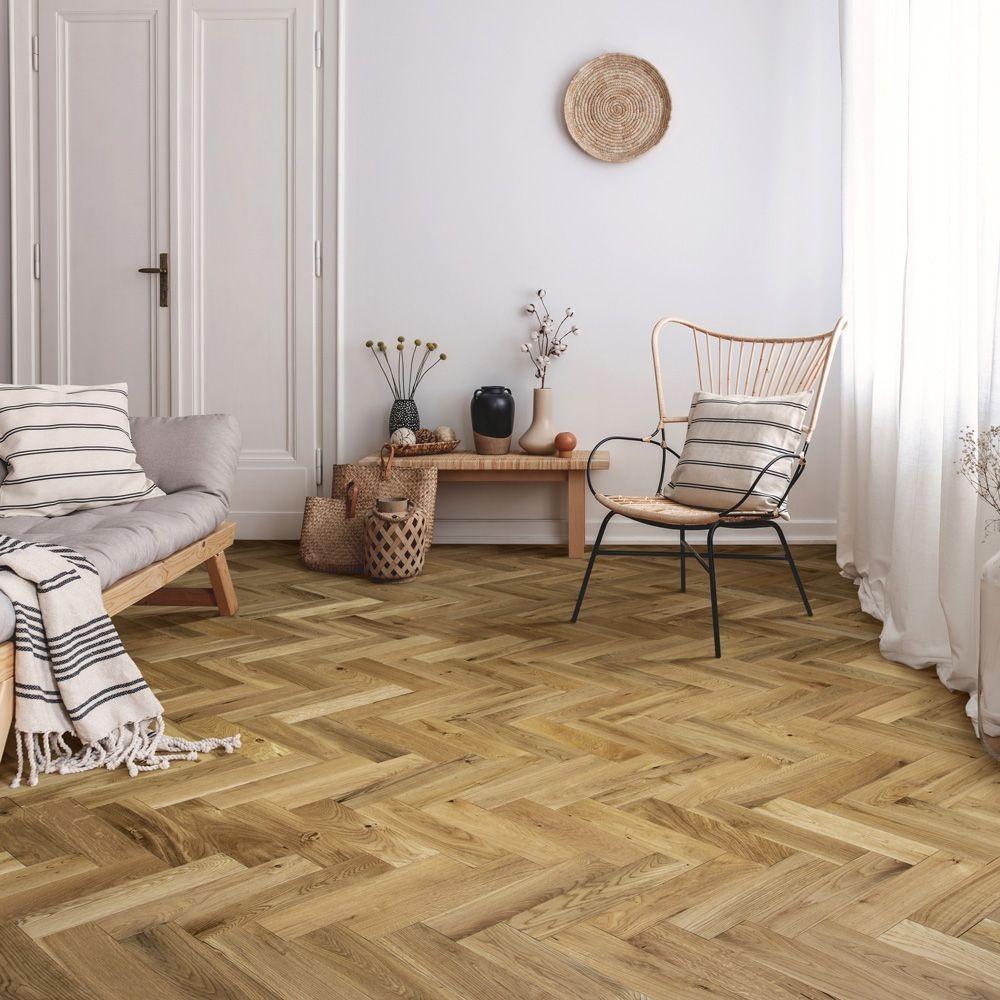
Parquet flooring , with its warmth and elegance, is a popular choice for many. However, an important question may come to mind: How do you choose the right parquet for homes with hot weather? And is parquet a heat insulator?
In this article, we'll explore these questions and discuss factors to consider when choosing parquet flooring in hot climates, as well as offer tips for maintaining it for as long as possible.
Is parquet heat insulating?
If the heat gets too intense, the flooring can transfer that heat, which is definitely annoying. In addition, this can also affect the temperature in the room. Is parquet a heat insulator?
The straightforward answer is that parquet is a fairly good thermal insulator compared to many other flooring materials such as tiles or marble.
The nature of wood itself makes it less conductive to heat, which means it helps keep the floor cooler in hot weather and reduces heat transfer from outside to inside the home.
However, natural parquet types may become damaged when exposed to constant heat, and their heat insulation may be adversely affected.
So you might ask: Is there a heat insulator? Yes, there are specialized heat insulating materials that can be used under parquet to enhance its heat insulation capacity.
How to make parquet heat resistant?
At Al-Ghamlas , we are fully aware of the challenges of the hot climate in our Kingdom of Saudi Arabia and its impact on home floors.
For this reason, we have developed a premium range of parquet flooring specially treated to be heat resistant and offer superior heat insulation .
We don't just rely on the natural properties of wood, we go further with innovative manufacturing processes and advanced technologies to ensure exceptional performance in harsh climatic conditions.
Glamlas parquet flooring:
- Designed to withstand heat: The wood species used in laminate parquet are carefully selected to ensure their stability and resistance to expansion and contraction caused by high temperatures.
- Improved thermal insulation: High-quality thermal insulation materials are incorporated into the inner layers of the laminated parquet.
This advanced technology reduces heat transfer from outside to inside your home, helping to keep floors cooler and more comfortable during the hot summer months.
- Specialized Finishes: We use exclusive finishes in our glazes that are highly resistant to fading caused by strong sunlight and heat.
These finishes not only preserve the beauty of the parquet's colours and lustre for longer, but also provide an extra layer of protection against weather damage.
By choosing treated laminate parquet flooring , you are investing in flooring that combines the beauty of wood with the latest practical technology to provide you with comfort and reliable performance in hot climates.
You no longer need to wonder if there is a heat insulator or if parquet is heat insulating. The answer is clear with Gamlas' innovative products.
How to choose suitable parquet
When choosing the right parquet flooring for homes with hot weather, several factors must be considered to ensure durability, comfort, and good appearance:
- Parquet type:
- Engineered parquet: It is an excellent choice for areas with relatively hot and humid weather because it is less susceptible to expansion and contraction thanks to its multiple layers.
- Solid parquet: It can also be used, but high-stable types should be chosen and sufficient expansion spaces should be allowed during installation. It may be less resistant to significant humidity changes.
- Wood type: Some types of wood are more resistant to heat and moisture than others. Hardwood species such as teak and mahogany are good choices.
- Finishing: Choosing a high-quality finish that resists fading from sunlight and heat is essential. Finishes with a UV protection layer are particularly beneficial.
- Color: Light colors tend to absorb less heat than dark colors, which can help keep your floor cooler.
- Thickness: The thickness of parquet is not directly related to its heat resistance, but it affects its durability and ability to withstand use.
- Underlayment: Choosing an underlayment with good thermal insulation properties and moisture resistance is crucial.
Can parquet floors be used with underfloor heating?
Can parquet flooring be used with underfloor heating?
Yes, some types of parquet flooring can be used with underfloor heating systems, but there are some important conditions and considerations:
- Choosing the right type of parquet: Engineered parquet is preferred because it is more stable and less susceptible to expansion and contraction caused by temperature changes caused by underfloor heating. Thick, solid parquet should be avoided.
- Parquet thickness: The parquet thickness must be suitable for the underfloor heating system to allow for efficient heat transfer. A thickness of 10-15 mm is typically recommended.
- Heating System Type: Water heating systems are more suitable for parquet than electric heating systems, which may generate higher and more fluctuating heat.
- Correct Installation: The parquet flooring must be installed floating over the underfloor heating system, leaving adequate expansion spaces. The use of a flexible adhesive suitable for underfloor heating is essential for direct installation.
- Temperature control: The heating system temperature should be controlled gradually, avoiding sudden temperature changes. The parquet surface temperature should not exceed a certain limit (usually around 27°C).
If these guidelines are followed, using parquet flooring with underfloor heating can provide comfortable warmth in the winter without damaging the parquet.
Tips for protecting parquet from heat
Here are some additional tips to help maintain parquet floors in homes with hot weather:
- Using carpets and upholstery: Carpets and upholstery can help protect parquet from direct sunlight and reduce its heat absorption.
- Avoid leaving windows and doors open for long periods: This allows hot air and moisture to enter the house.
- Clean parquet regularly: Use special parquet cleaners and avoid using large amounts of water.
- Place protectors under furniture legs: to prevent scratches that could make the parquet more susceptible to damage.
- Inspect the parquet regularly: Look for any signs of damage caused by heat or moisture and take necessary action early.
Choosing the right parquet flooring for homes with hot weather requires careful consideration of parquet types, finishes, and underlayments.
Although parquet is partially heat-insulating, taking additional steps to enhance its heat resistance and avoiding direct exposure to sunlight and excessive moisture will help preserve the beauty and durability of your floors for years to come.