
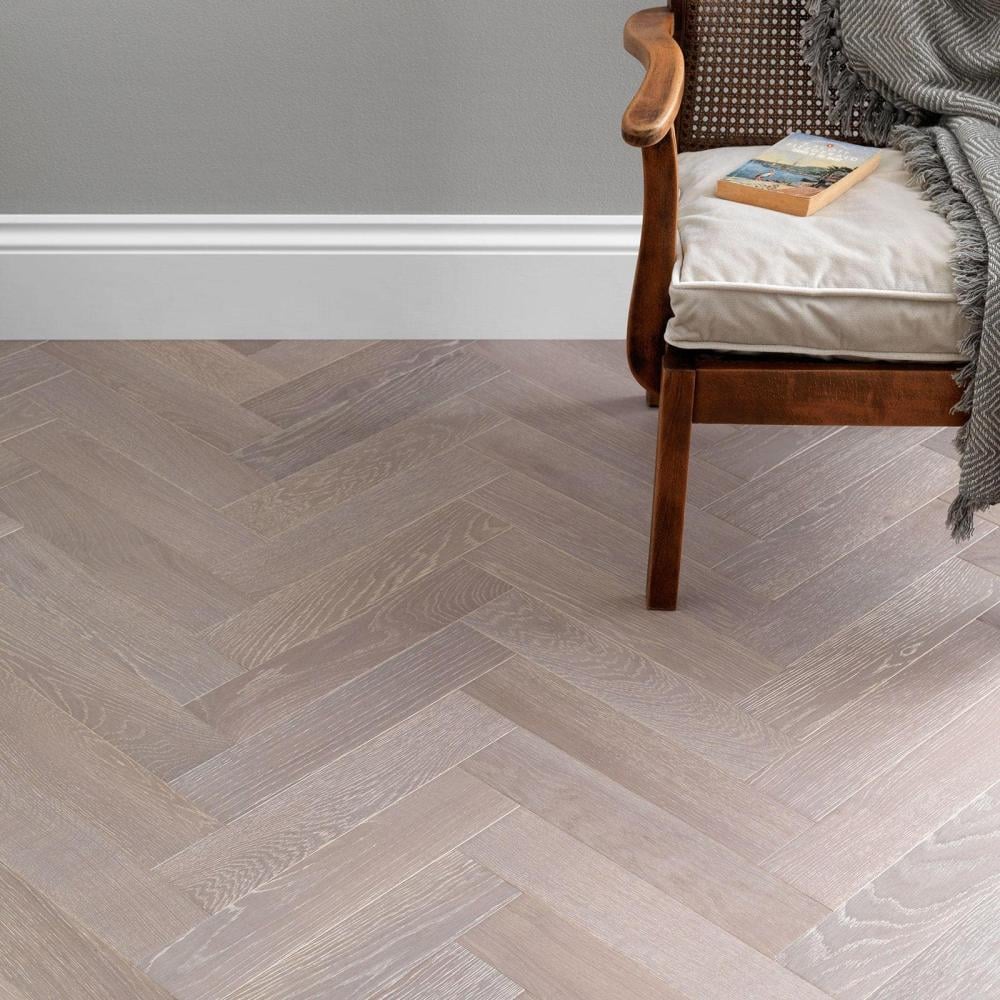
You may be attracted to high-quality parquet flooring from Gamlas, which adds beauty and warmth to your home, but don't overlook the finishing touch that completes this beauty and protects the walls: the baseboards.
Choosing the right underlays is not just a minor detail, but an essential element that contributes to the overall appearance of the room and protects the area where the floor meets the wall from damage and dirt.
In this article, we will review the different types of soles and focus specifically on choosing the right soles for parquet floors .
What are soles?
This term may be new to you, so before talking about the different types, we must first know what soles are.
Skirting boards , or skirting boards as they are sometimes called, are horizontal strips installed along the bottom of interior walls, where the floor meets the wall.
Its primary function is to cover the small gap normally left between the edge of the floor and the wall to allow for natural expansion and contraction of the floor due to changes in temperature and humidity.
In addition, the mats protect wall decorations from scratches and dirt caused by cleaning or furniture movement, and add a final aesthetic touch to the room.
Floor mats are available in a variety of materials, colors, and designs to suit different floor types and decor styles.
Choosing the right soles for parquet floors
When choosing the right treads for parquet floors , several factors should be considered, such as the tread material, color, design, and height, in addition to the available budget.
There are several popular types of soles, each with advantages and disadvantages that make them more or less suitable for parquet floors:
Fiber soles
Fiberboard soles , or coated MDF (Medium Density Fiberboard) soles, are one of the most common and widely used types of soles.
Advantages and disadvantages of fiber soles:
- Features: Fiber soles feature a smooth surface and can be easily painted in any color to match the color of the parquet or walls.
They are also relatively less expensive than other types and are available in a variety of designs. Their ease of cutting and installation is an added advantage.
- Disadvantages: One of the main drawbacks of fiberglass soles is their sensitivity to moisture. Constant exposure to water or high humidity can cause swelling, damage, and peeling of the coating.
They are also less resistant to shocks and scratches than other types. Fiberglass soles are reasonably priced in the economy and mid-range segments, but their quality may be affected by the price.
Ready-made ceramic soles
Ready-made ceramic insoles are also available , which are ceramic strips that come in a variety of colors and designs.
Advantages and disadvantages of ceramic soles:
- Features: Pre-finished ceramic tiles are highly resistant to moisture, water, scratches, and shocks, making them an excellent choice for areas prone to moisture such as bathrooms and kitchens. They are also easy to clean and long-lasting.
- Disadvantages: Ready-made ceramic tiles may not blend aesthetically with warm wooden parquet floors, as they can appear cold and hard.
Design and color options may be less diverse than fiber or wood soles. Installation may also be more difficult and require special adhesives.
porcelain slippers
Porcelain soles are similar to ceramic soles but are denser and less porous, making them more durable and resistant to stains and scratches.
Advantages and disadvantages of porcelain soles:
- Features: Porcelain flooring offers the highest levels of durability and resistance to moisture, stains, and scratches. It's available in designs that mimic wood or stone, which may make it a better aesthetic choice for parquet than traditional ceramic in some cases.
- Disadvantages: Porcelain insoles are the most expensive type of insole and can be more complicated to install, requiring special tools and adhesives.
Although wood designs are available, they may still lack the natural warmth of wood.
foam insoles
Foam insoles are made from lightweight plastic materials such as polyurethane or polystyrene. They are available in a variety of designs and colors.
Advantages and disadvantages of foam insoles:
- Features: Foam underlays are highly resistant to moisture and water, lightweight, and easy to install using adhesives. They are available in flexible designs that can adapt to the curvature of walls. Fiber underlays may also be more expensive than some economical foam types.
- Disadvantages: Foam soles are less durable and less resistant to shock and scratches than wood, ceramic, or porcelain. Their appearance may appear less luxurious and high-quality than other materials.
When choosing the right soles for parquet floors , many people prefer to choose soles made from the same type of wood as the parquet or fiber soles coated in a matching or coordinating color to create a complete and elegant look.
The difference between foam and fiber soles
We talked about fiber and foam soles, so what is the difference between foam and fiber soles?
The difference between foam and fiber insoles lies in several aspects:
- Material: Foam soles are made of lightweight plastic, while fiber soles are made of coated medium-density fiberboard (MDF).
- Moisture resistance: Foam soles are highly resistant to moisture and water, while fiber soles are sensitive to moisture and may be damaged if exposed to it unless treated.
- Durability: Fiber soles are generally more durable and resistant to shock and scratches than most types of foam soles.
- Appearance: Fiber soles often provide a more traditional and luxurious look, while foam soles may appear less premium in some budget models.
- Ease of installation: Foam soles are lighter and easier to install using adhesives, while fiber soles may require the use of nails or stronger adhesives.
- Cost: Fiberglass insoles vary in price depending on quality and design, and may be higher than some budget foam insoles.
Fiberglass sole prices
Fiberglass insole prices vary greatly based on several factors, such as:
- Quality and Density: Higher density fiber soles and higher quality coatings are more expensive.
- Design and Height: Soles with intricate designs and high heights are more expensive.
- Brand: Well-known brands often have higher prices.
- Where to buy: Prices may vary between different stores.
In general, Al-Ghamlas offers you the best types of fiberglass soles , in various designs and heights to suit all your needs. You can check their prices here.
Choosing the right underlays for parquet floors is an essential step in completing the look of a room and protecting the walls. By understanding the pros and cons of each type of underlay, such as fiberglass underlays , pre-finished ceramic underlays , porcelain underlays , and foam underlays , you can make an informed decision that combines aesthetics, function, and durability.
Remember that the harmony between the color and design of the soles, the parquet floor, and the walls will add an elegant and integrated finishing touch to your space. And remember that Al-Ghamlas is always at your service. Contact us and don't worry.